Most Common Directional Pattern Repeat Types
As pattern designers, we're always excited to work with patterns and prints. And designing fabric patterns for use in fashion and home decor is a great chance to expand our marketable skillset.
You can lay out pattern repeats in many different ways. Each one has its benefits and drawbacks. One of the more critical things to consider when designing a repeating pattern is how you want the motifs to be oriented. Some are more suited to particular styles than others, depending on the motifs and desired look. The patterns direction you decide on will also depend on what you, as a surface pattern designer, want to do with the completed design.
Let's take a closer look at each of these common pattern repeats!
All Over Layout
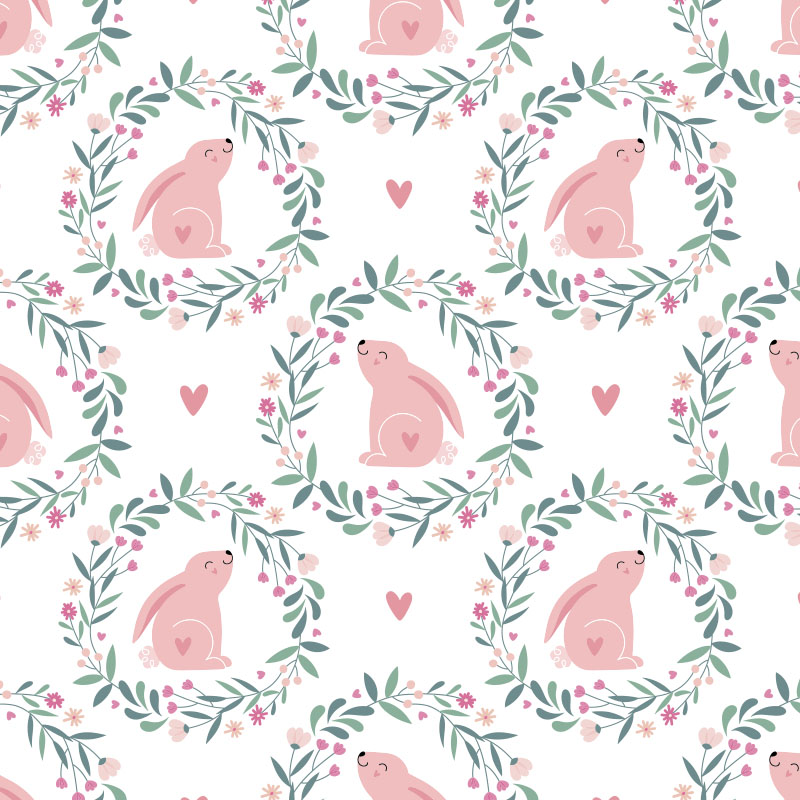
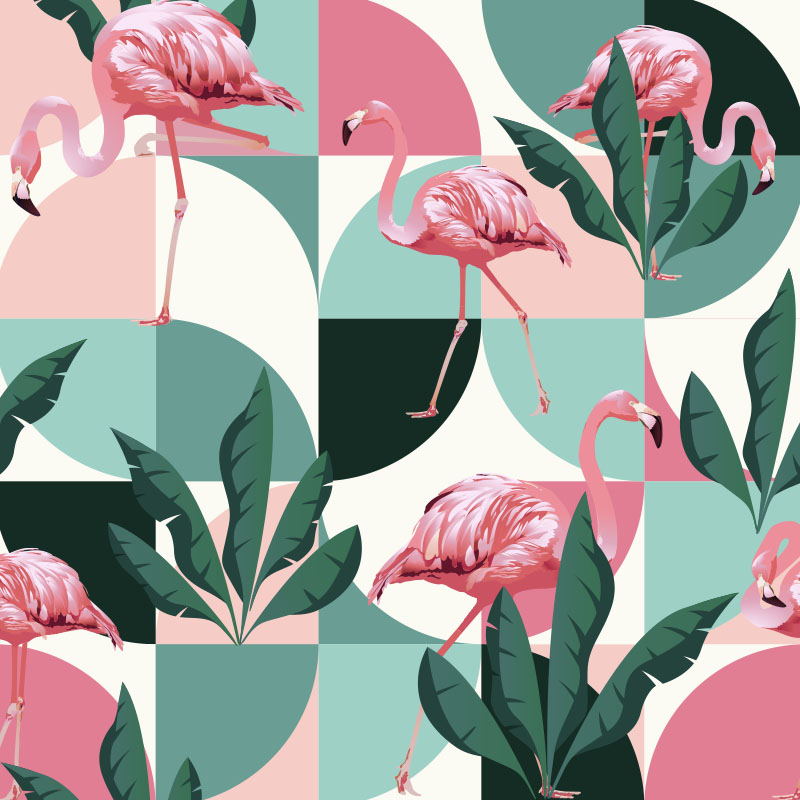
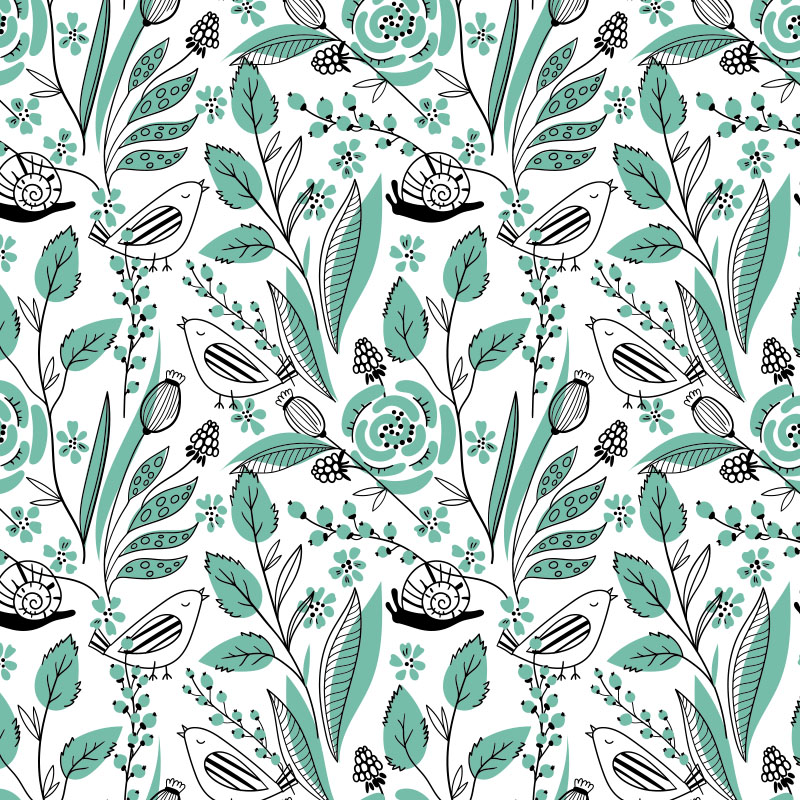
One Way / Directional Layout
One-way (or directional) layouts can only be utilized in one direction, making these patterns more limiting when working with them and typically unattractive if turned upside down.
Two Directional Layout
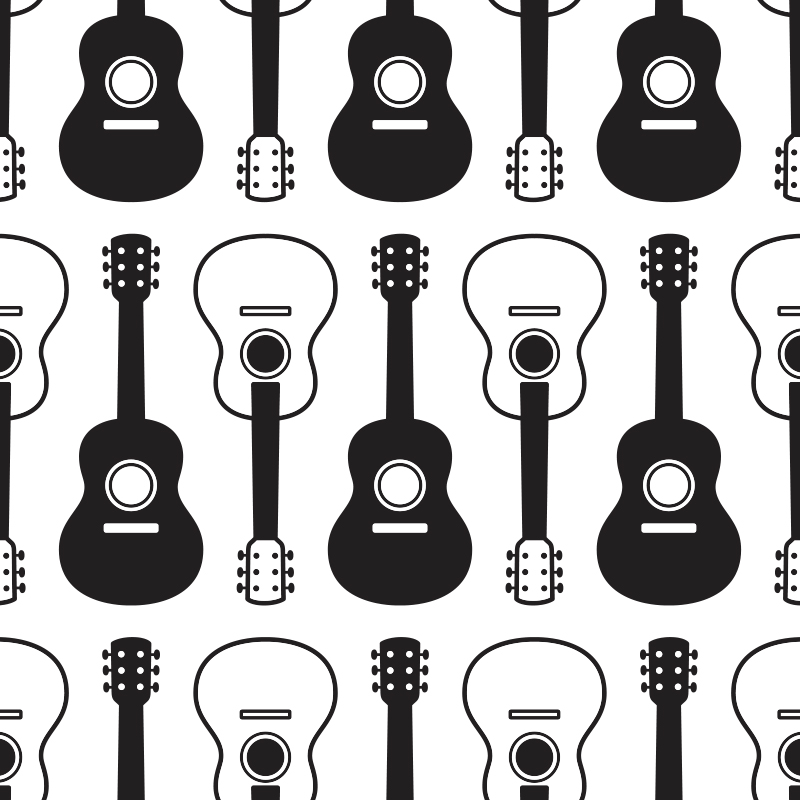
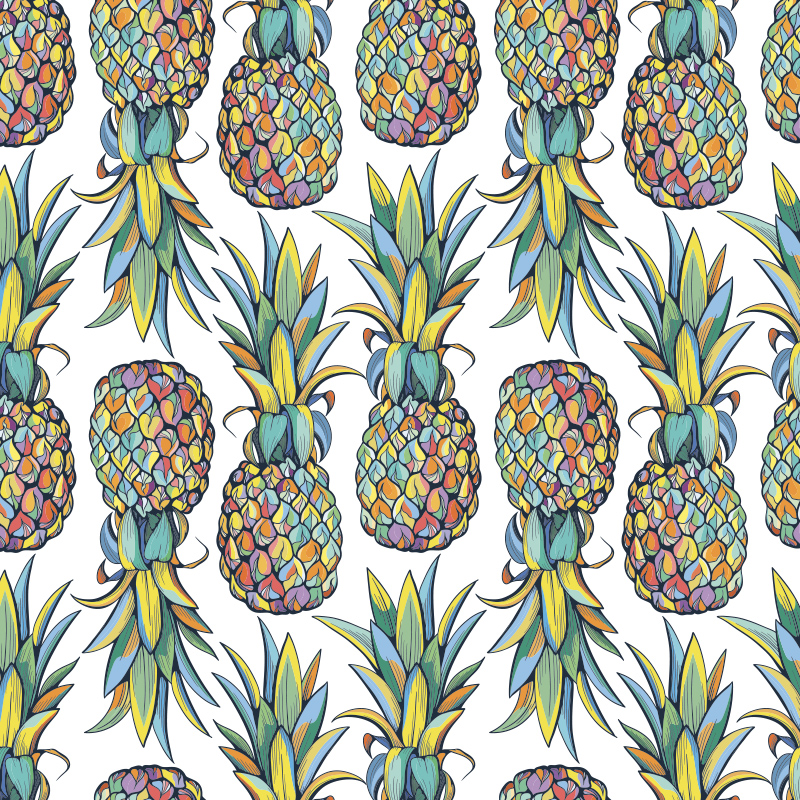
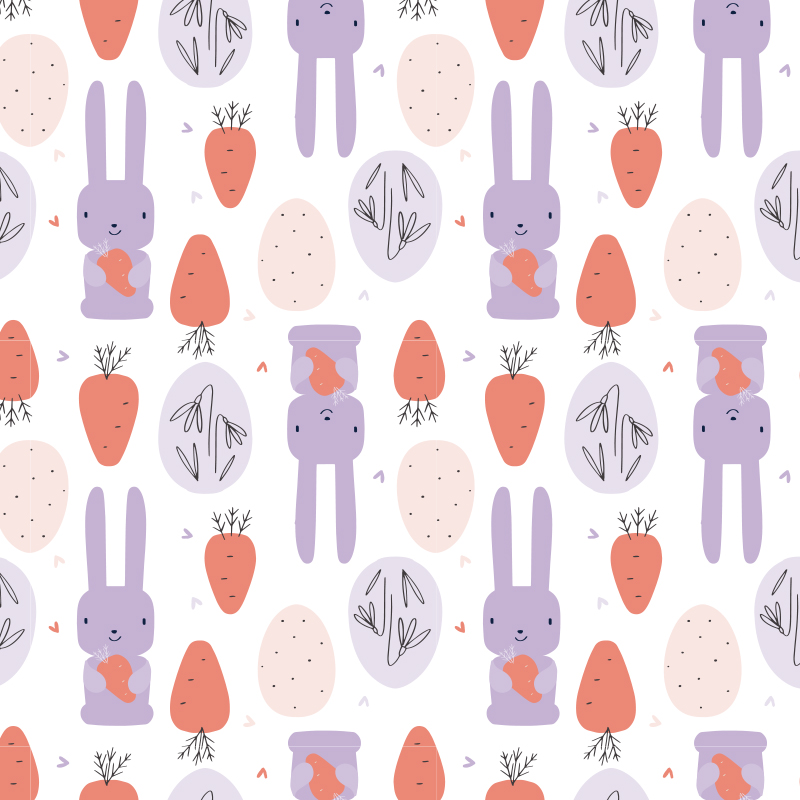
A two-directional surface pattern repeat employs motifs with a strong horizontal or vertical orientation. Two directional designs are reversible; in other words, you can turn and view the pattern from its top or its bottom.
Multi-Directional Layout
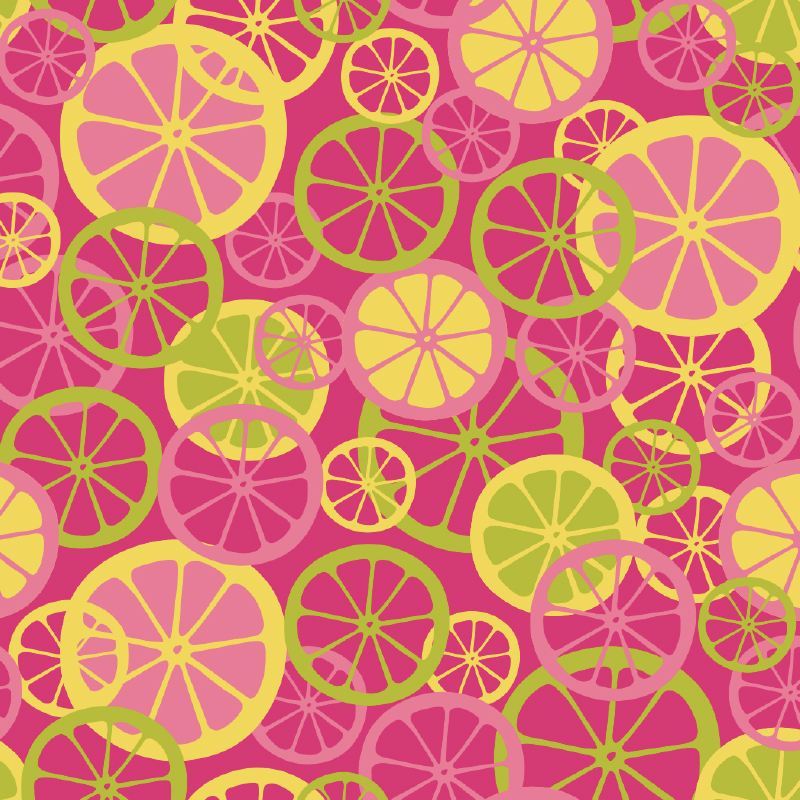
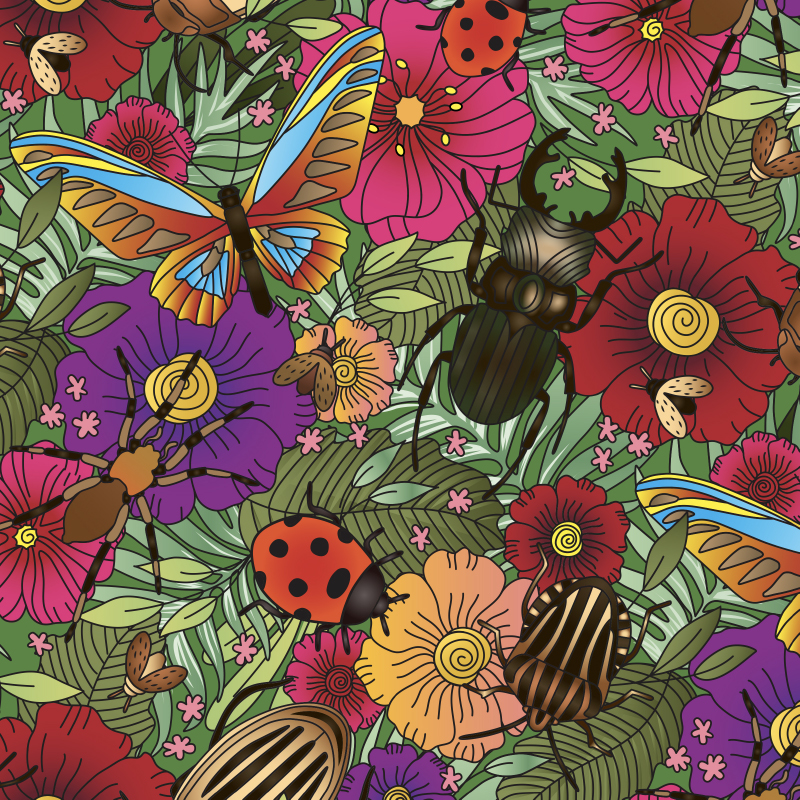
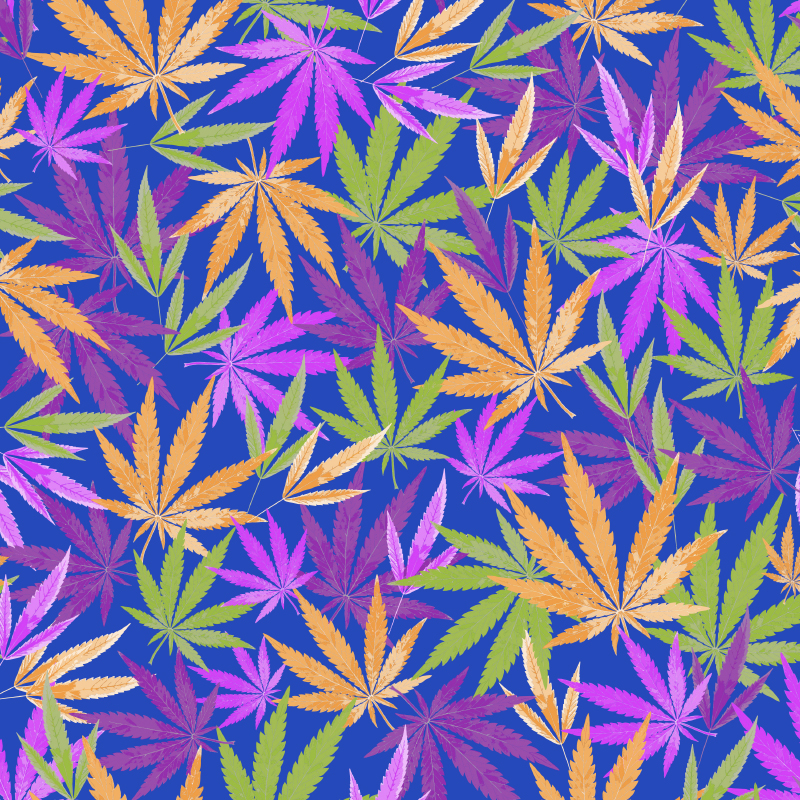
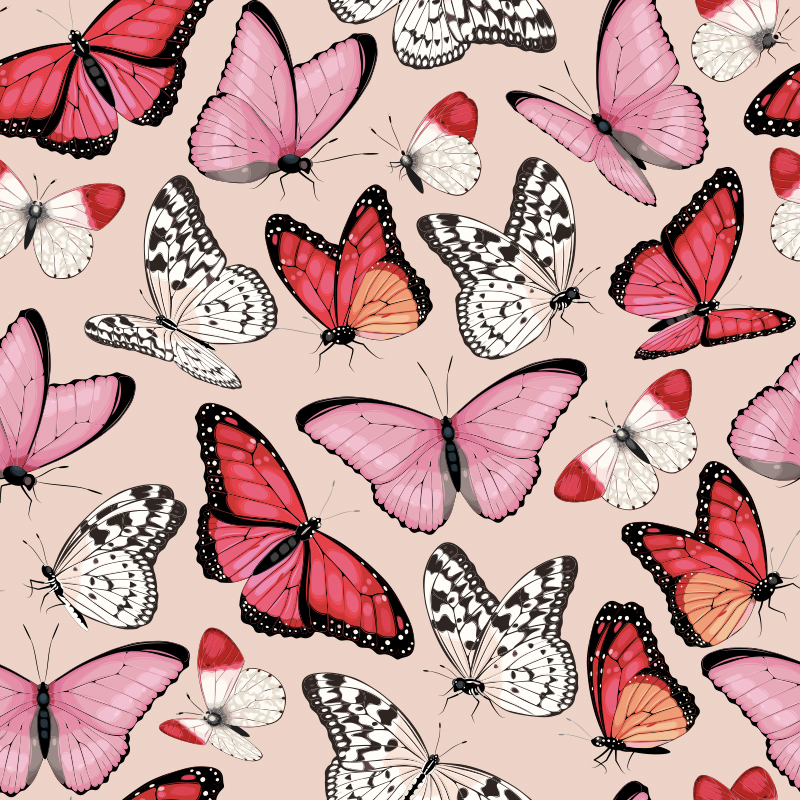
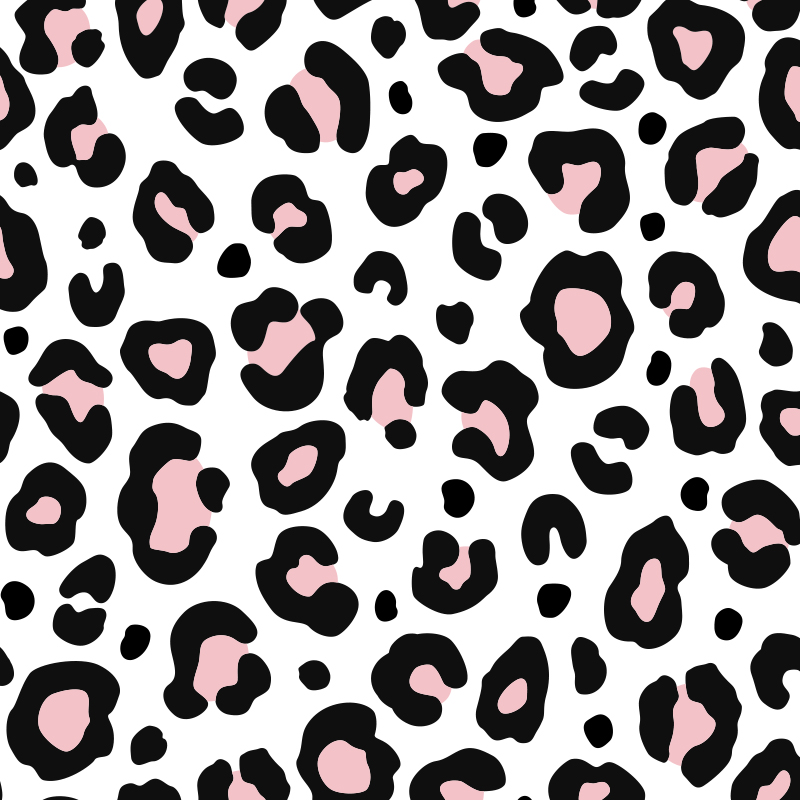
You can view multi-directional pattern repeats from any angle. The pattern design does not have a top, bottom, left, or right since the arrangement of the motifs is facing in different directions. Fabric rolls benefit from multi-directional designs since they may be cut and utilized from any point, reducing fabric waste.
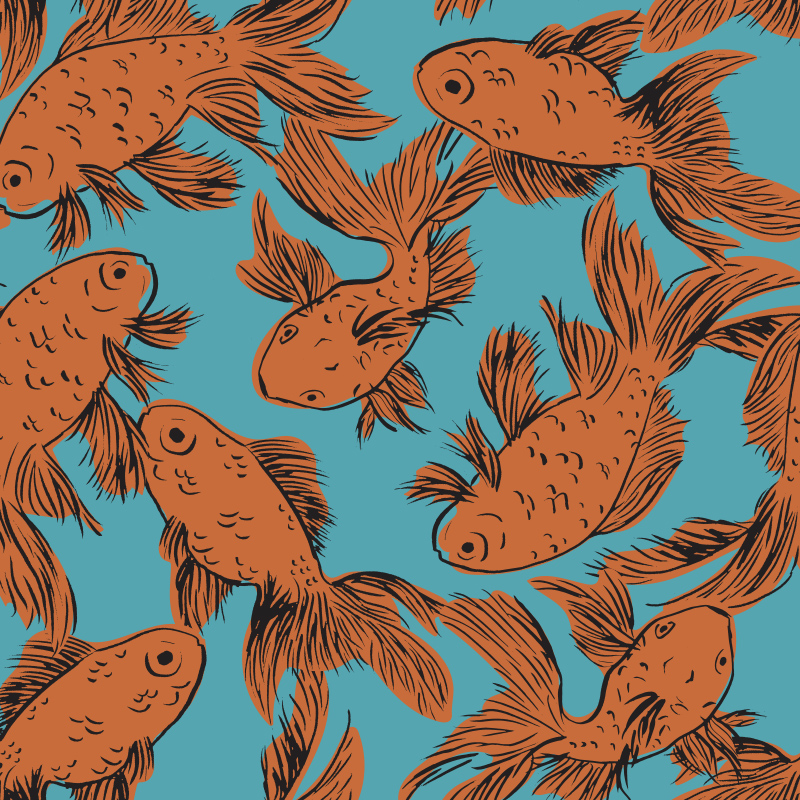
Free Flowing Layout
This layout has motifs arranged asymmetrically, with large areas of background exposed.
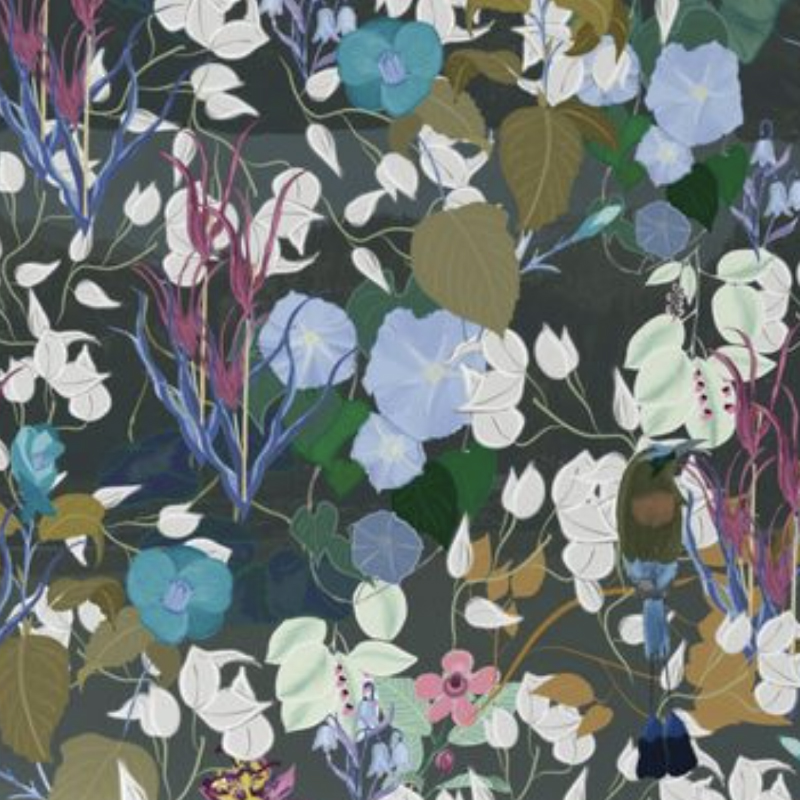

Engineered / Placement Layout
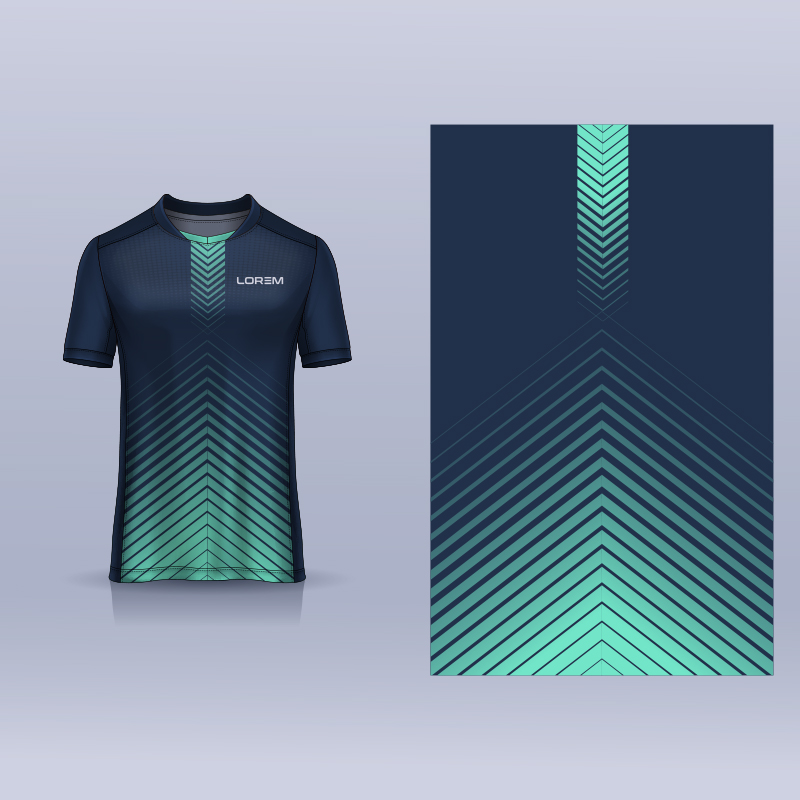
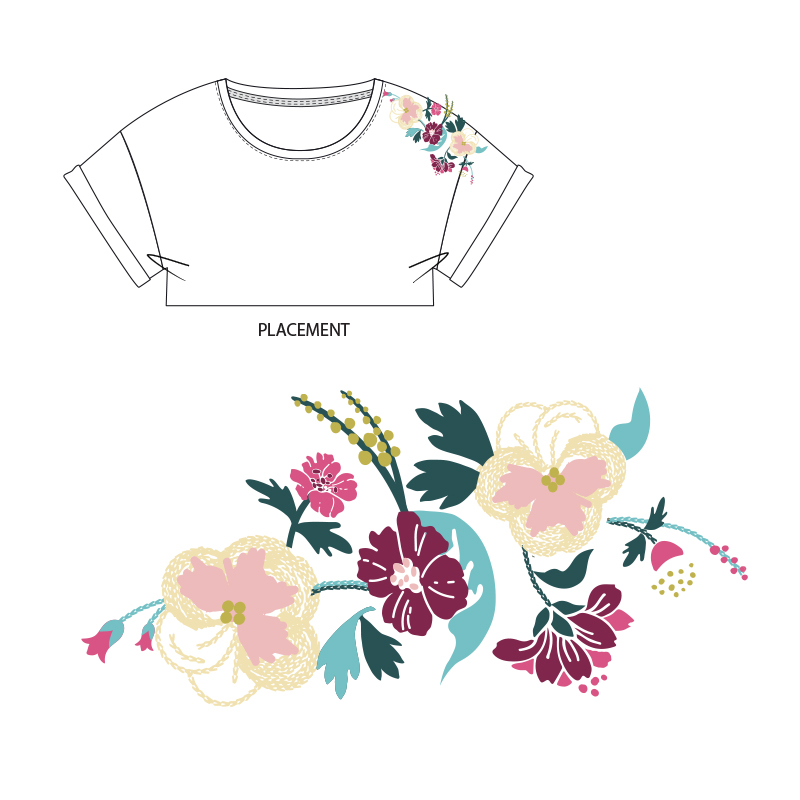
You can control the artwork and its placement on the product with an engineered or placement print. T-shirts are an excellent example of a product with engineered images. Engineered prints allow you to design for a specific end purpose at the appropriate scale for the required product.
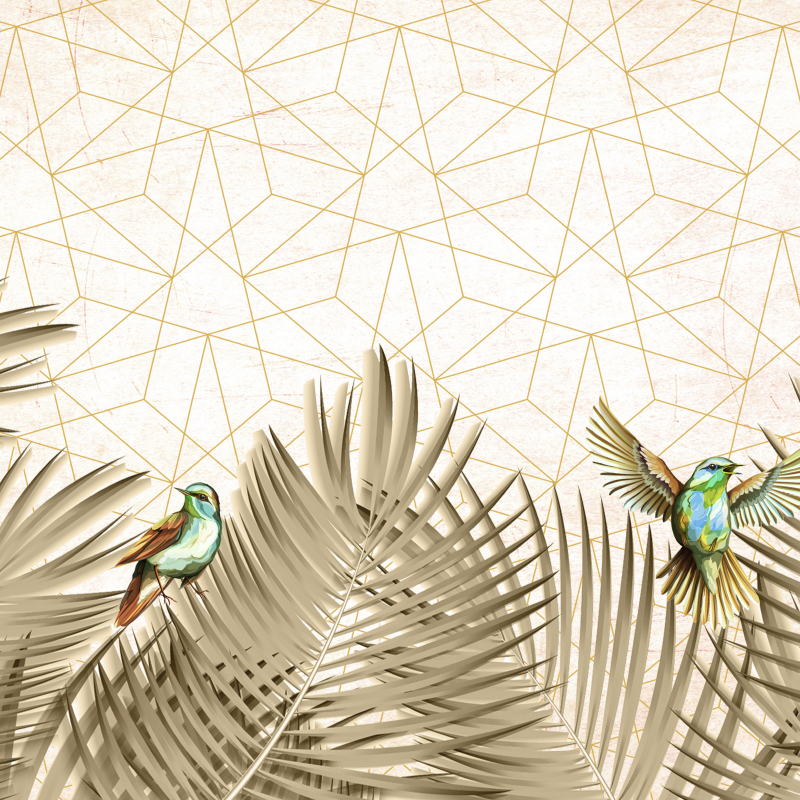
We encourage you to play with these different layout styles to create a variety of patterns.
Pro Tip - Build Interest
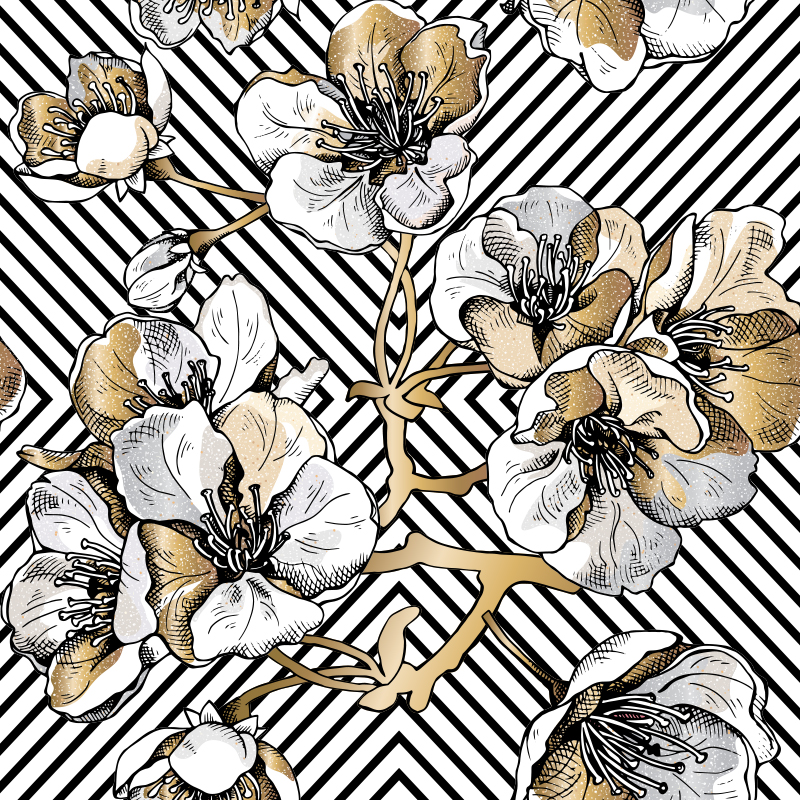
Try combining two of the pattern repeats to create one single design. For example, layer floral prints over a bold geometric for a more complex look. Experiment with all the repeats and create your combinations!